3-4 minutes
An alarming number of serving or retired New Zealand military
personnel either have at least some symptoms of post traumatic stress,
or would likely be diagnosed with post traumatic stress disorder (PTSD)
if they were assessed.
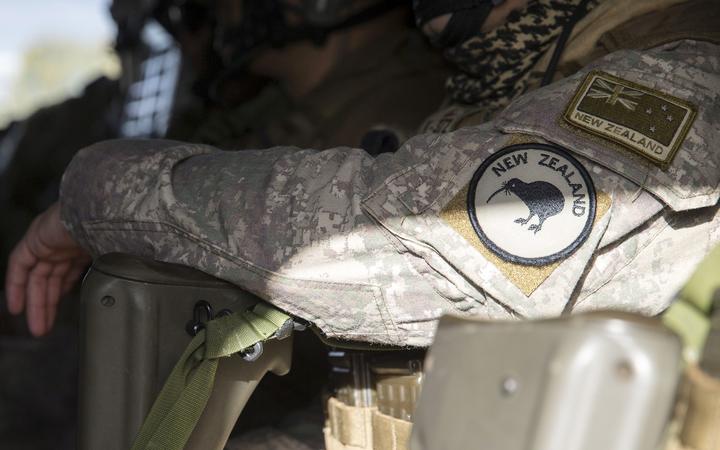 Photo: NZDF / Supplied
A University of Otago study of 1817 New Zealand military personnel
has found one in three have symptoms of post traumatic stress, and one
in 10 would likely be diagnosed with PTSD.
The results suggest that the prevalence of clinically significant
post traumatic stress is higher among military personnel compared with
the general population, where rates are estimated to be 3 percent.
Lead researcher David McBride said of the 256 Māori who took part in
the study, 78 percent showed at least some symptoms of post traumatic
stress.
"218 Māori had a score less than 45 which means low PTSD, and 38 had
high distress, 10 percent having PTSD really, that's the more severe
PTSD," he said.
"The problem comes in transition, in leaving the military, and going
back into civilian life again where if social support is lacking, things
happen really.
"One of the problems is being isolated and I think that might be one
of the problems with Māori, they're more likely to be living in more
isolated communities and that could be part of the problem.
"However, a lot of our respondents were currently serving so that's not the whole picture."
More research required
McBride acknowledged more research needed to be done to understand
why Māori featured so heavily in those with symptoms of post traumatic
stress, and how family dynamics could be a factor.
Those with fewer signs of post-traumatic stress had a greater length
of service, psychological flexibility and better quality sleep.
 Associate Professor David McBride.
Photo: University of Otago
Associate Professor David McBride.
Photo: University of Otago
McBride said more needed to be done to identify post traumatic stress within the military community earlier.
"We need to identify the warning sides which are lack of sleep or if a veteran has symptoms of anxiety or depression," he said.
"But first of all they need to own up to the fact that they are a
veteran and seek appropriate support. It's all about health-seeking and
talking through your problems."
A lot of it is about values, beliefs and attitudes of many veterans
because of the military culture, think that asking for help is a sign of
weakness, which it is not.
He said looking after veterans during the pandemic, especially during Anzac day, was important than ever.
"We need to look after our veterans, especially during this time of
year. They'll be used to socialising, they'll be used to seeing their
mates, and if they're living alone this will be a bad time for them.
"The RSA has been in touch with veterans and helped them out with deliveries."
The New Zealand Defence Force helped with the survey and most of the responses came from veterans who had been deployed.
Join Geezgo for free. Use Geezgo's end-to-end encrypted Chat with your Closenets (friends, relatives, colleague etc) in personalized ways.>>
Comments
Post a Comment