Samsung reports Q1 revenues of $45.5 billion, up 5.6 percent YoY thanks to high demand for its memory chips
on
Get link
Facebook
X
Pinterest
Email
Other Apps
The Korean giant expects lower profits in the coming quarters
By Adrian Potoroaca
Bottom line: Samsung is one of the
companies that so far weathered the storm, mostly thanks to its
diversified business and strong demand for its silicon across the entire
hardware industry. The company is bolstering its online retail channels
to cope with waning demand for consumer electronics.
Samsung posted
revenues of 55.3 trillion won ($45.5 billion) for the three months
ending in March, which is a positive result despite being a modest 5.6
percent year-over-year increase.
The Korean tech giant's biggest advantage is that it's highly
diversified and produces both electronic components and finished
products. It's what allowed it to shrug off the huge decline in
smartphone demand and rake in 6.4 trillion won ($5.2 billion) in
operating profit, which is 3.4 percent more than it managed during the
same period in 2019.
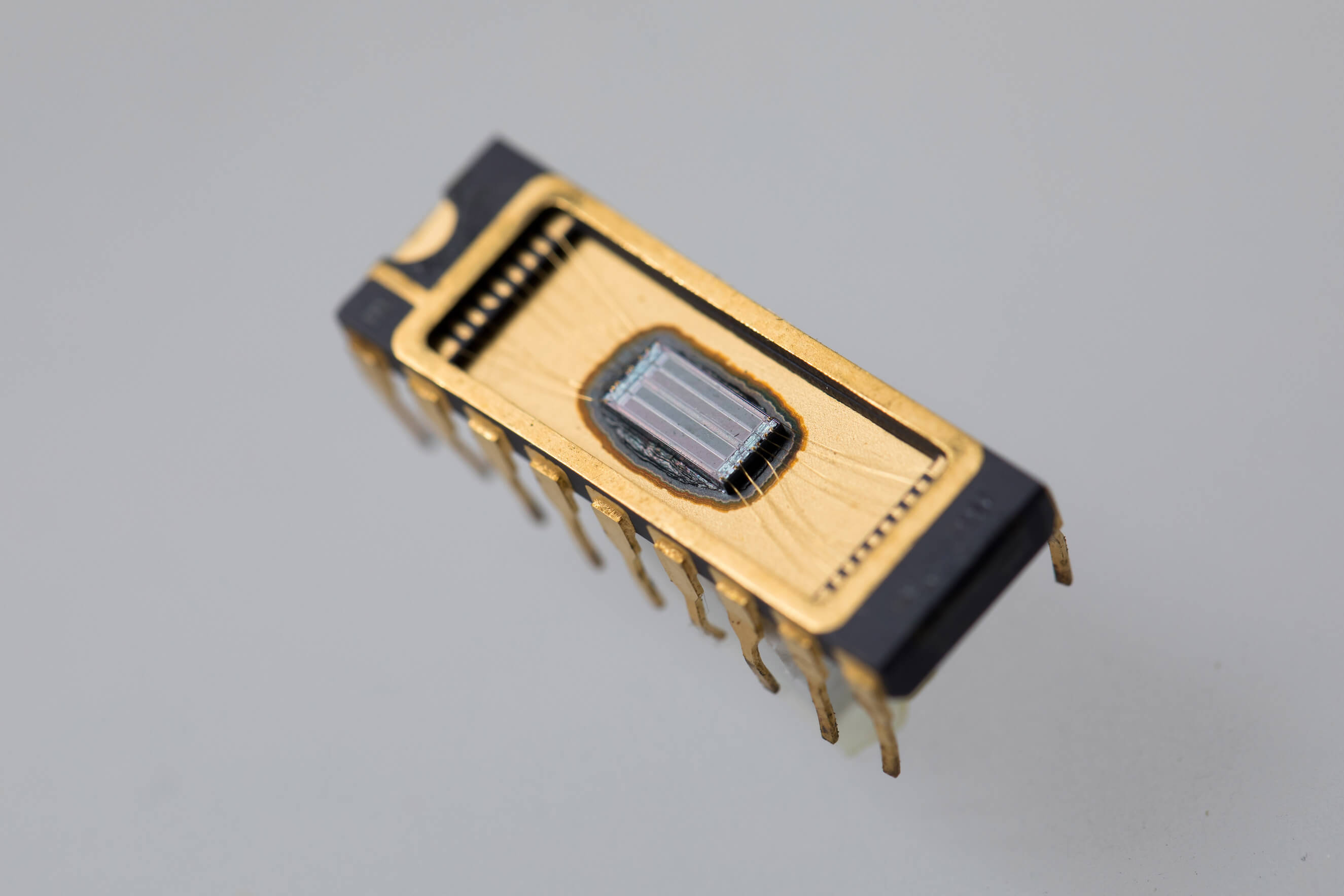
Samsung says it saw a surge in orders for its memory products for PCs
and servers, as many people now have to work from home and need to
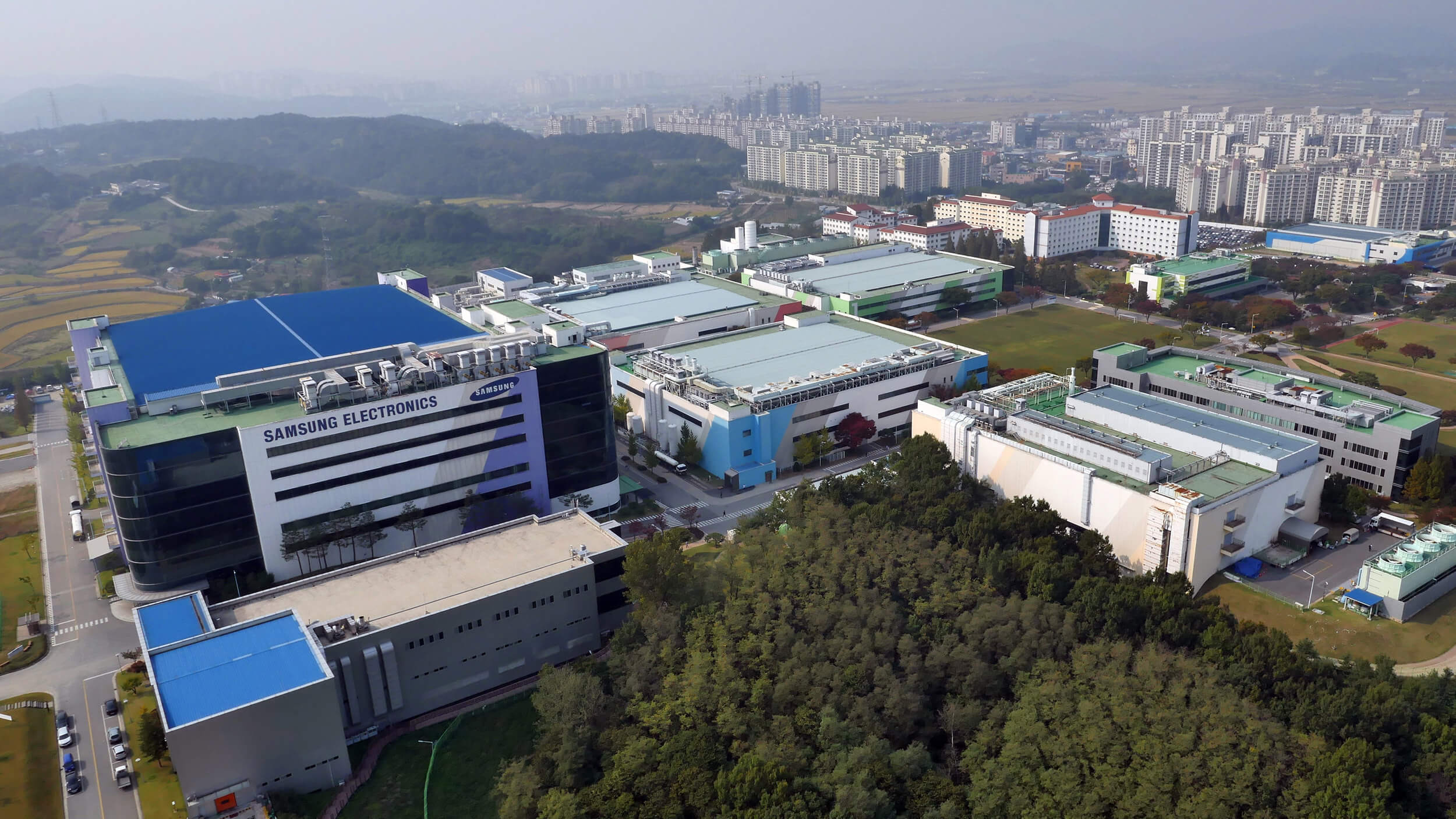
remove every possible bottleneck. The semiconductor business alone
brought in 4 trillion won ($3.3 billion), which is almost two thirds of
the company's total profits for the first quarter of 2020.
Interestingly, the company's OLED display business also had a
contribution to the positive financial results, with 200 billion won
($165 million) in operating profit. That being said, Samsung's
smartphone sales continued their decline,
and the reason why the company didn't see a larger hit is the fact that
the average sales price has increased thanks to strong demand for the Galaxy Z Flip and Galaxy S20 Ultra.
Samsung warned that while the trend of high DRAM and NAND demand will
likely continue throughout the year, the company expects to see a
decline in global sales for its smartphones, TVs, and home appliances.
In the meantime, it will focus its attention on improving its online
sales capabilities through promotions and optimized logistics.
In related news, the Korean tech giant is deeply invested
in making the industry's most advanced NAND chip, in response to
increased competition from Chinese companies that have already caught up with it in terms of storage density and speed.
Comments
Post a Comment