5-6 minutes
The dairy industry wants New Zealanders to fall back in love with life on the farm.
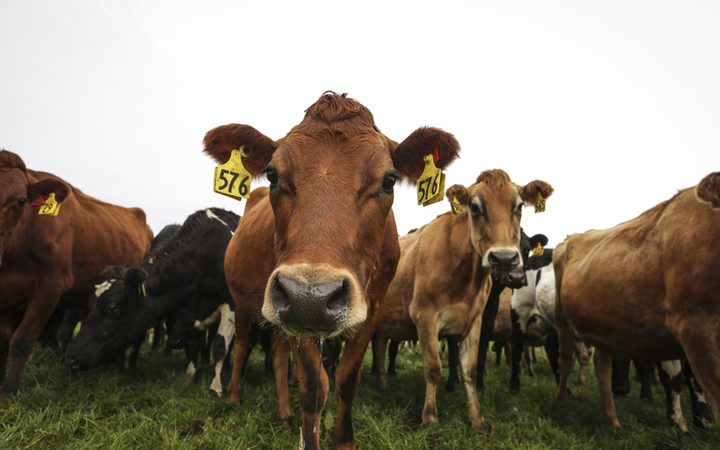 Photo: RNZ / Rebekah Parsons-King
With Covid-19 meaning the migrant workforce is not available, it is
predicted the sector will need to fill 1000 jobs in time for
Moving Day on 1 June - the first day of the new dairy season.
The Fortuna Group is a corporate farming operation in Southland which milks about 12,000 cows across 19 farms.
At any one time 50 percent of its 100-strong workforce are migrants, predominantly from the Philippines.
Chief executive Matthew Richards said he was down 15 migrant staff at the moment and that would soon present problems.
"If we are not fully staffed it does create some real concerns around
how are we going to do the job. About how we are going to meet
expectations around the animal welfare environment and looking after the
staff we do have. Making sure that they get their regular days off and
are not having to do too many hours."
Richards said he was hoping Kiwis would take a second look at farming.
"We do see some opportunities potentially with the unemployment rate
lifting. It creates more of a pool of potential applicants but we've
just got to sell ourselves better and definitely we'll attract some. But
we're still going to need the migrant workforce in there as well
because they've got a lot of experience."
Federated Farmers national dairy group chairperson Chris Lewis said
migrants make up about 18 percent of the dairy workforce and filled up
to 4000 jobs.
He reckoned despite the government rolling over expired visas for
migrants already in the country until September, there would still be
shortage of about 1000 workers.
"We can't bring in any new migrants for June 1 and there were quite a
few coming in for the change-over being Moving Day or Gypsy Day. So
we're just trying to work through just how big the shortfall is and
putting some plans in place to recruit some of the New Zealanders who
have found themselves redundant because of Covid-19."
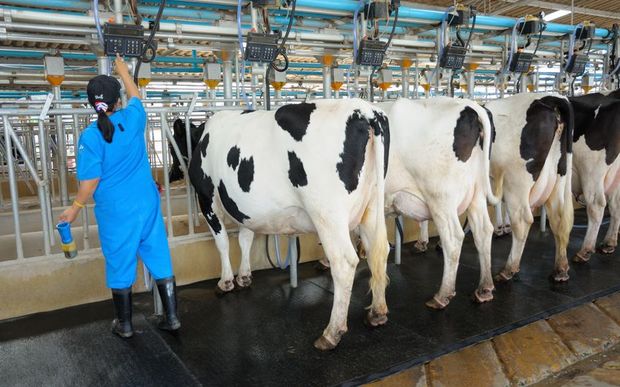 Migrants make up about 18 percent of the dairy workforce, Chris Lewis said.
Photo: 123RF
Migrants make up about 18 percent of the dairy workforce, Chris Lewis said.
Photo: 123RF
Lewis said farming had gotten a bit of a bad rap for being hard,
dirty work over the past decade, he reckoned there was plenty of upside.
"You might get up a bit earlier at around 5am, but on the other hand
my staff go home for an hour at breakfast, an hour at lunch and they're
home by 5pm.
"We have housing and housing at affordable rates. We have meat, we
have milk, you know. My staff get a bit of cheese and a bit of honey
that's made on the farm and they get to spend more time with their
families."
Lewis said an entry level-dairy assistant could expect to earn about
$50,000 a year and quickly advance if they apply themselves.
Managing
director of farming recruitment company, The Regions, Ben De'Ath, said
it was unlikely New Zealanders would ever fill all the vacant farm jobs.
He thinks there is another pool of potential workers among those
queuing for food parcels in Queenstown and elsewhere - migrant work visa
holders who have lost jobs in tourism, retail, hospitality and
construction.
"Covid-19 related redundancies from work visa holders need to be
allowed to change profession. They are able-bodied people with active
minds who have come to New Zealand to make a better life. Some of them
will be keen and willing to learn how to milk a cow."
De'Ath said current rules about changing job, employer or region were
too restrictive and other opportunities for these workers were going
begging.
Immigration New Zealand said changes had already been made to
temporary work visa settings to ensure the country had the critical
workers it needs.
But it warned that allowing visa holders to change region would not
be considered at this stage due to public health considerations.
Join Geezgo for free. Use Geezgo's end-to-end encrypted Chat with your Closenets (friends, relatives, colleague etc) in personalized ways.>>
Comments
Post a Comment