In brief: The tricky thing about
disasters is that it’s nearly impossible to predict where they will hit.
Alphabet’s Loon knows this all too well as experiences like Hurricane
Maria in Puerto Rico back in 2017 and the earthquake in Peru last year
served to help shape how they operate moving forward.
In short, Loon – the Alphabet subsidiary that provides mobile service
to areas that might not otherwise have connectivity (like those that
have just been hit by a natural disaster) through high-flying balloons –
has shifted its thinking from disaster response to disaster preparedness.
By preparing the necessary elements that go into a deployment in
advance, Loon said it can cut down on their ability to respond to a
disaster from weeks to just days or hours.
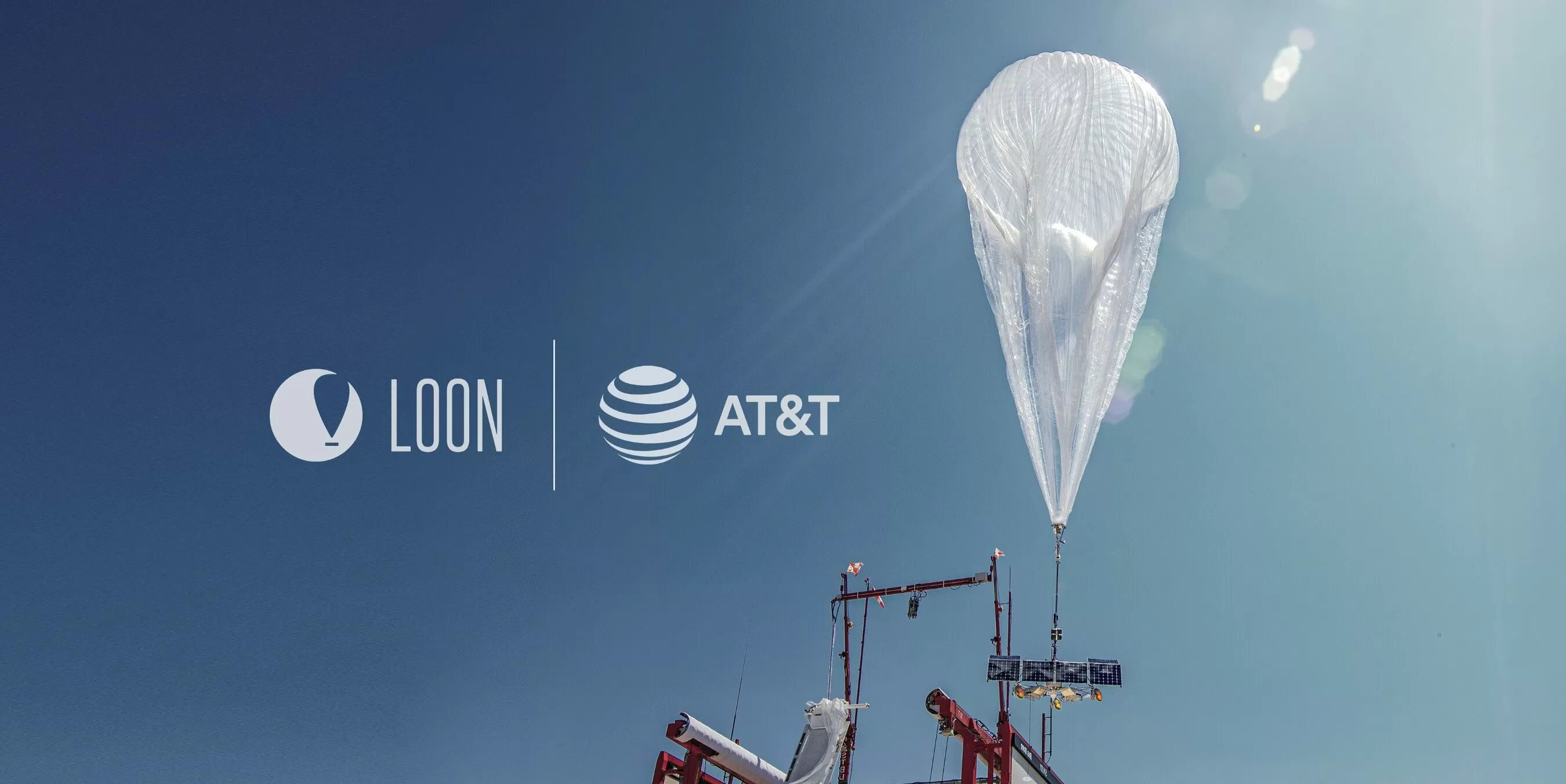
On that front, Loon has partnered with AT&T and has successfully
integrated the Loon system with AT&T’s network. In a disaster
scenario, this will save valuable time as Loon won’t have to complete
time-intensive network integration. It also means that Loon will be able
to work with AT&T partners around the globe (so long as they have a
standard international roaming relationship with the carrier).
While the partnership with AT&T will certainly help, Loon
admitted that more work is still needed in other areas to help speed
along deployment. For example, the company has been working to get
regulatory approval from governments to fly overhead when needed. To
date, Loon has received permission to fly in over 50 countries including
Kenya, Uganda and the Democratic Republic of Congo, just to name a few.
Comments
Post a Comment