The Boeing 'Loyal Wingman' is Australia's first combat drone
on
Get link
Facebook
X
Pinterest
Email
Other Apps
Designed and built in Australia, the 38ft long UAV will accompany fighter jets to assist and keep pilots safe during engagements
By Humza Aamir
In context: Boeing's stealth UAV
program, called the Airpower Teaming System, was revealed in Australia
last year. Also known as the Loyal Wingman project, the program saw a
$40 million investment from the Australian government, which placed
three drone orders for the Royal Australian Air Force. Designed,
engineered, and manufactured locally, the first of the three prototypes
was recently rolled out in what is being hailed a historic moment for
Australia after it built its first military aircraft in over 50 years.
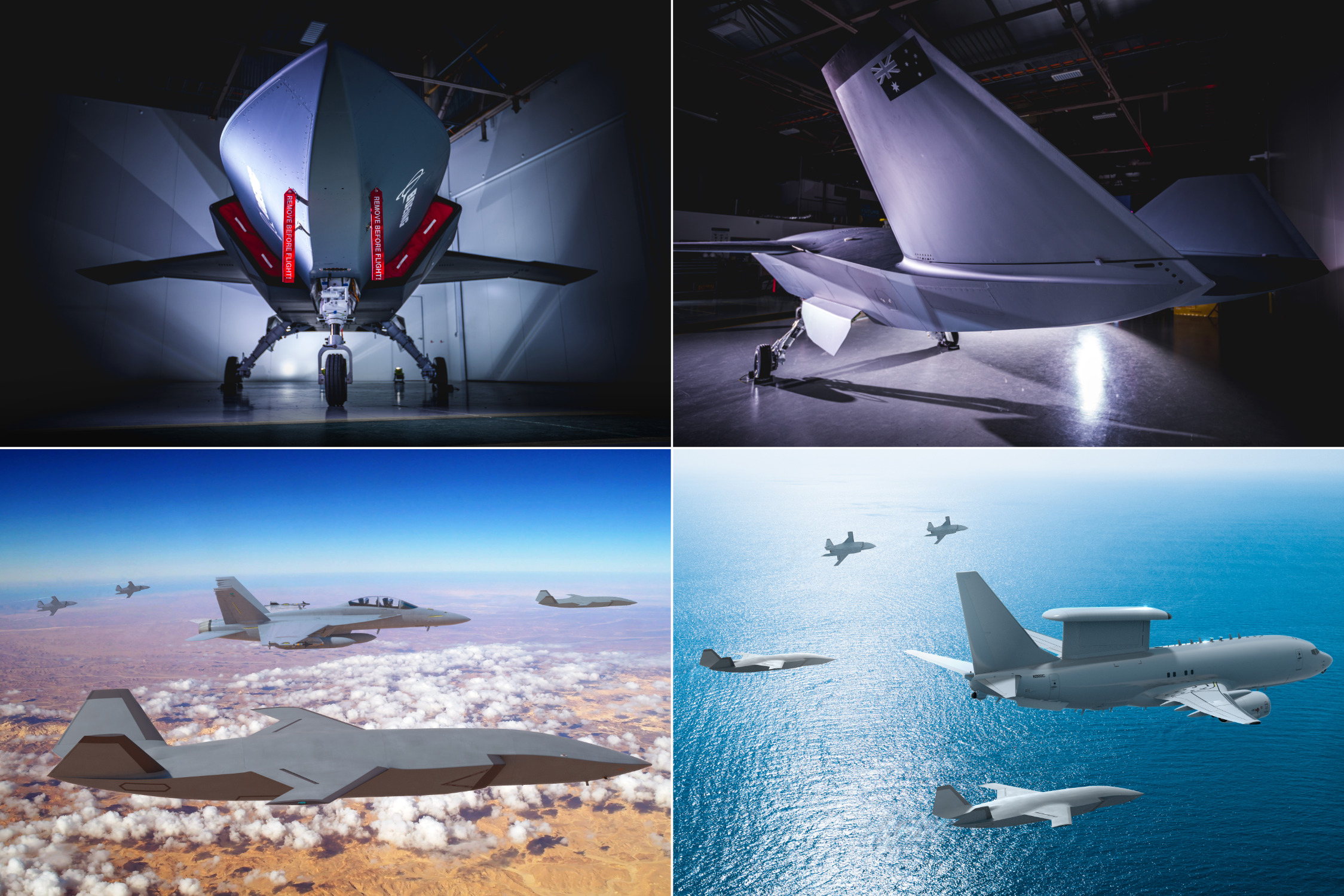
Boeing's Australian arm recently presented the first 'Loyal Wingman'
combat drone to the RAAF, an advanced jet-powered stealth UAV with a
range of over 3,700 km. In its official statement,
Boeing terms the event as a historic milestone for the company, marking
its largest investment in unmanned aircraft technology outside of the
US.
The drone will serve as a foundation for Boeing's Airpower Teaming
System, aimed at strengthening its presence in the global defense
industry and providing militaries with an affordable combat asset that
uses autonomous technology and AI to enhance aerial capabilities.
The 38ft long Loyal Wingman is a sizable drone that has only four
moving surfaces and a removable 8.5ft long nose that can be packed with
different sensors and payloads according to mission requirements.
Boeing created a "digital twin" of the drone to simulate its
operation throughout the design process and to cover its production and
maintainability aspects. The aircraft also uses Boeing's largest-ever
resin-infused single composite piece in the structure to help with
reducing the cost and manpower needed for the fabrication process.
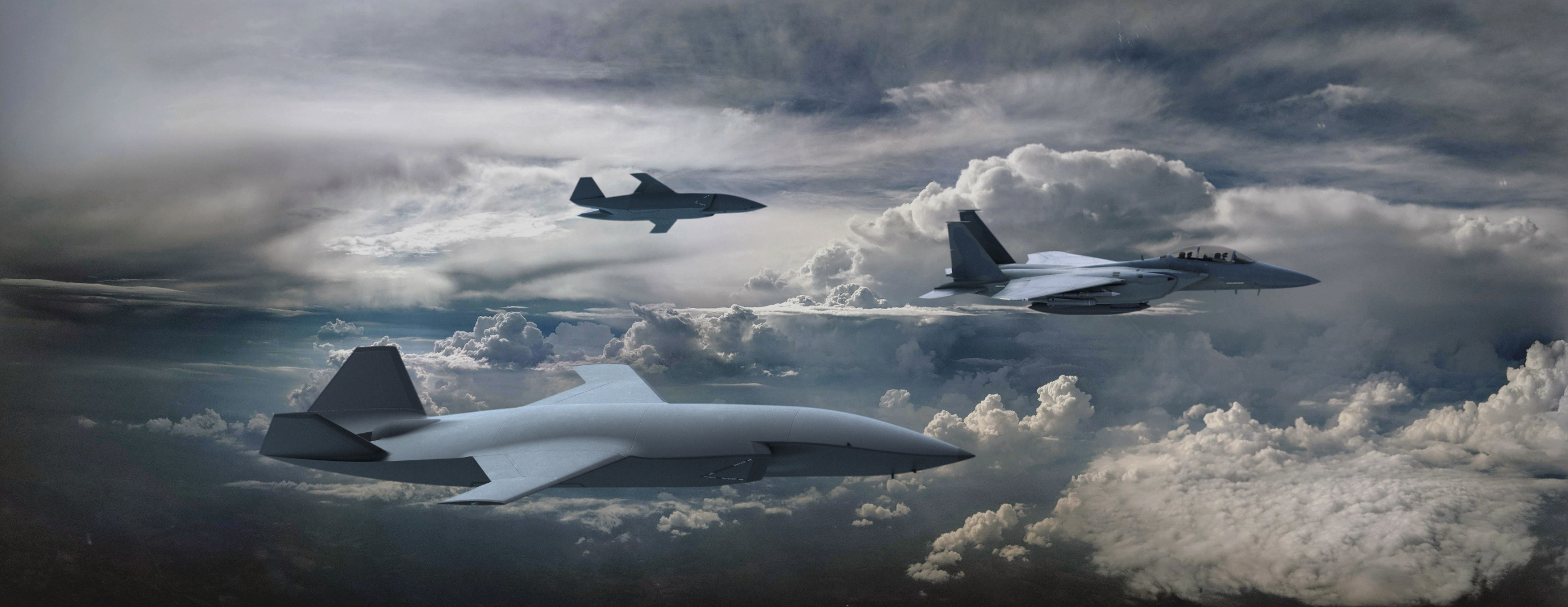
Another highlight of the drone is the AI and semi-autonomous
capability that will allow it to expertly maneuver itself, requiring
little to no input from fighter pilots. "When you are teaming, say with a
Super Hornet, they don’t have the luxury during combat maneuvers or
operations to be remotely piloting another aircraft while doing their
own," said Shane Arnott, Boeing's ATS program director.
The first prototype, which took shape earlier this year, was powered
on for the first time in April and will now undergo ground testing,
followed by taxi and a debut flight later this year.
Comments
Post a Comment